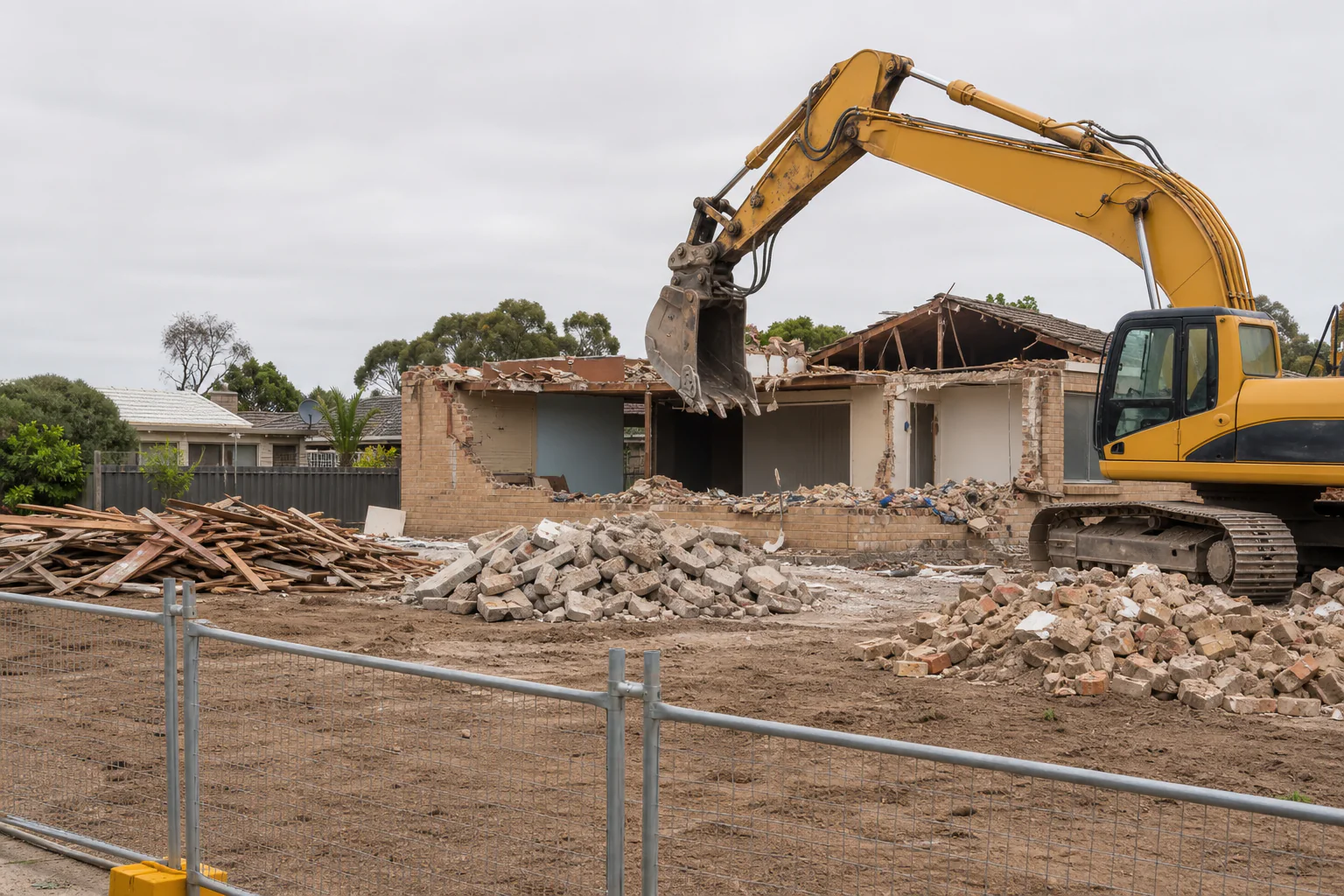
Demolition and Removal
Taking down houses, outbuildings, pools and interiors, with asbestos and waste handled first.
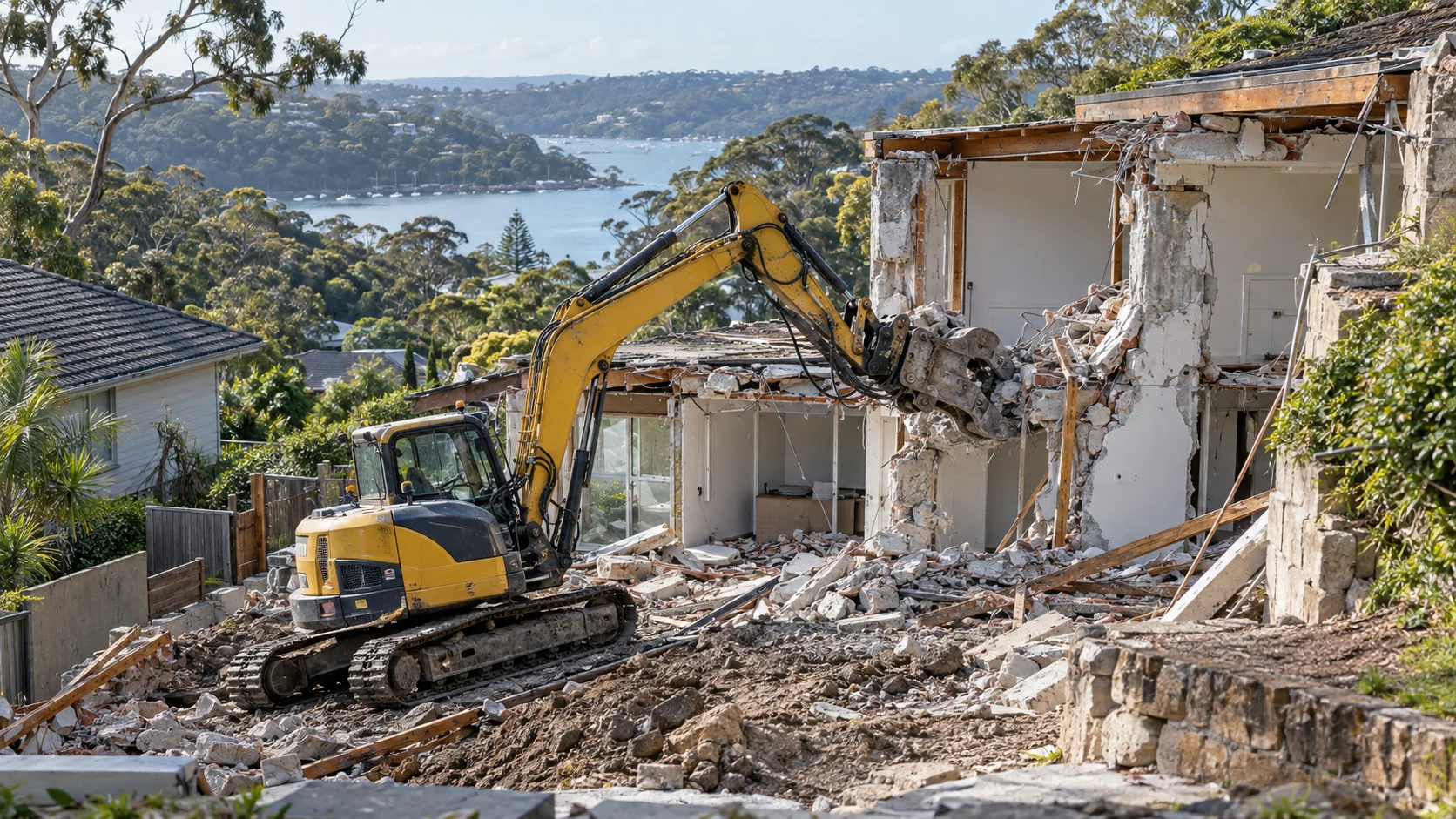
Plan carefully around the shape of your site.
Demolition in Como needs careful planning, because riverside streets, sloping blocks and tight access can change how a job is done. We inspect for asbestos, services and access first, then manage the work so your site is cleared safely and efficiently and ready for whatever comes next in your project.
Share the address, what needs to come down and what you plan to build or change. Whether you need a full house knockdown, partial demolition, strip out, shed removal or pool removal, a clear scope keeps timing, approvals and costs connected from the very start.
Como's established homes and narrow streets often limit machinery and truck access, so we choose equipment to suit each block. We protect neighbouring properties, manage dust, noise and runoff near the river, and deliver a clean, level site that is ready for construction to begin.
Explore services in Como ↓ Taking down houses, outbuildings, pools and interiors, with asbestos and waste handled first.
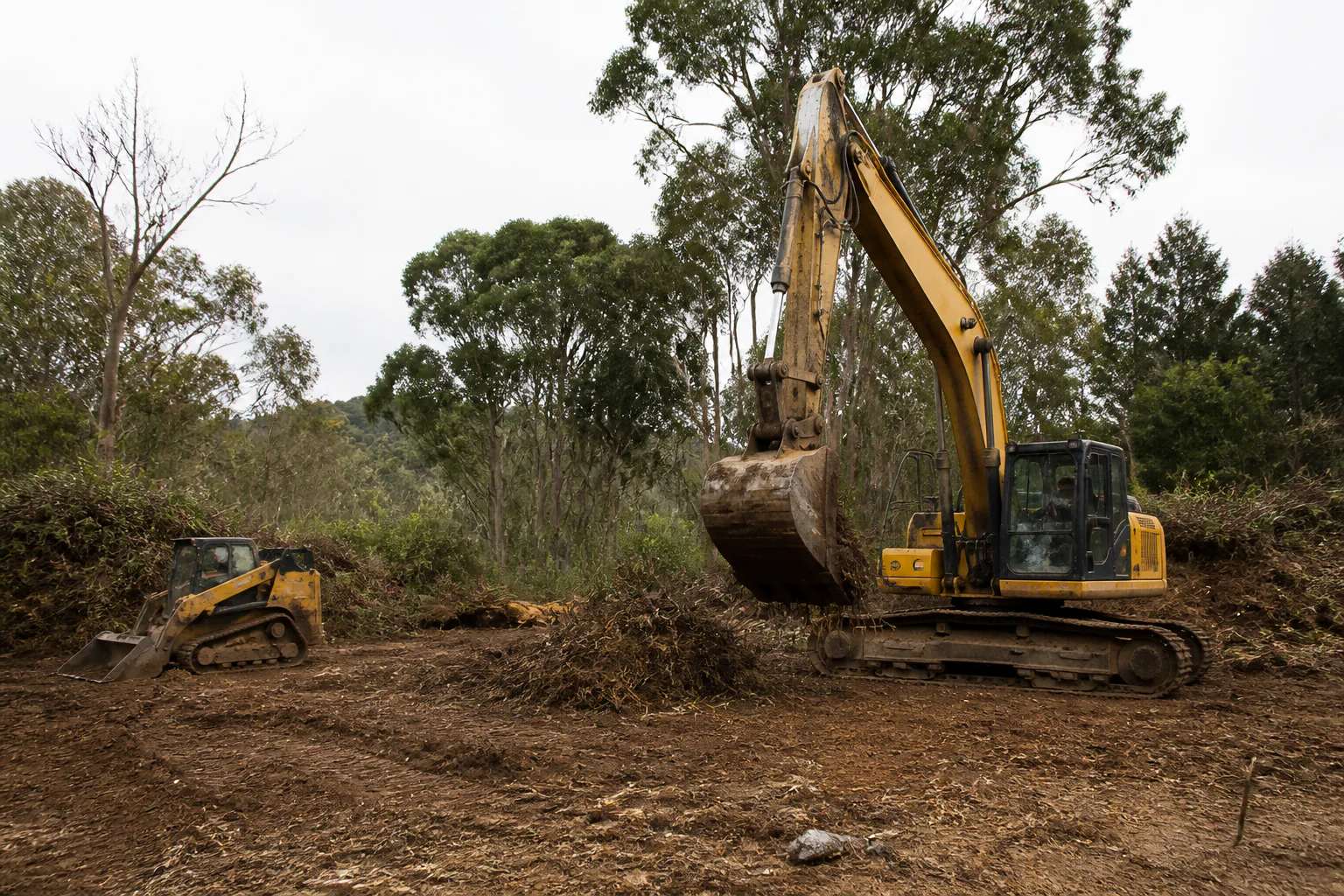
Clearing vegetation, debris and surface growth so a block is ready for set-out.
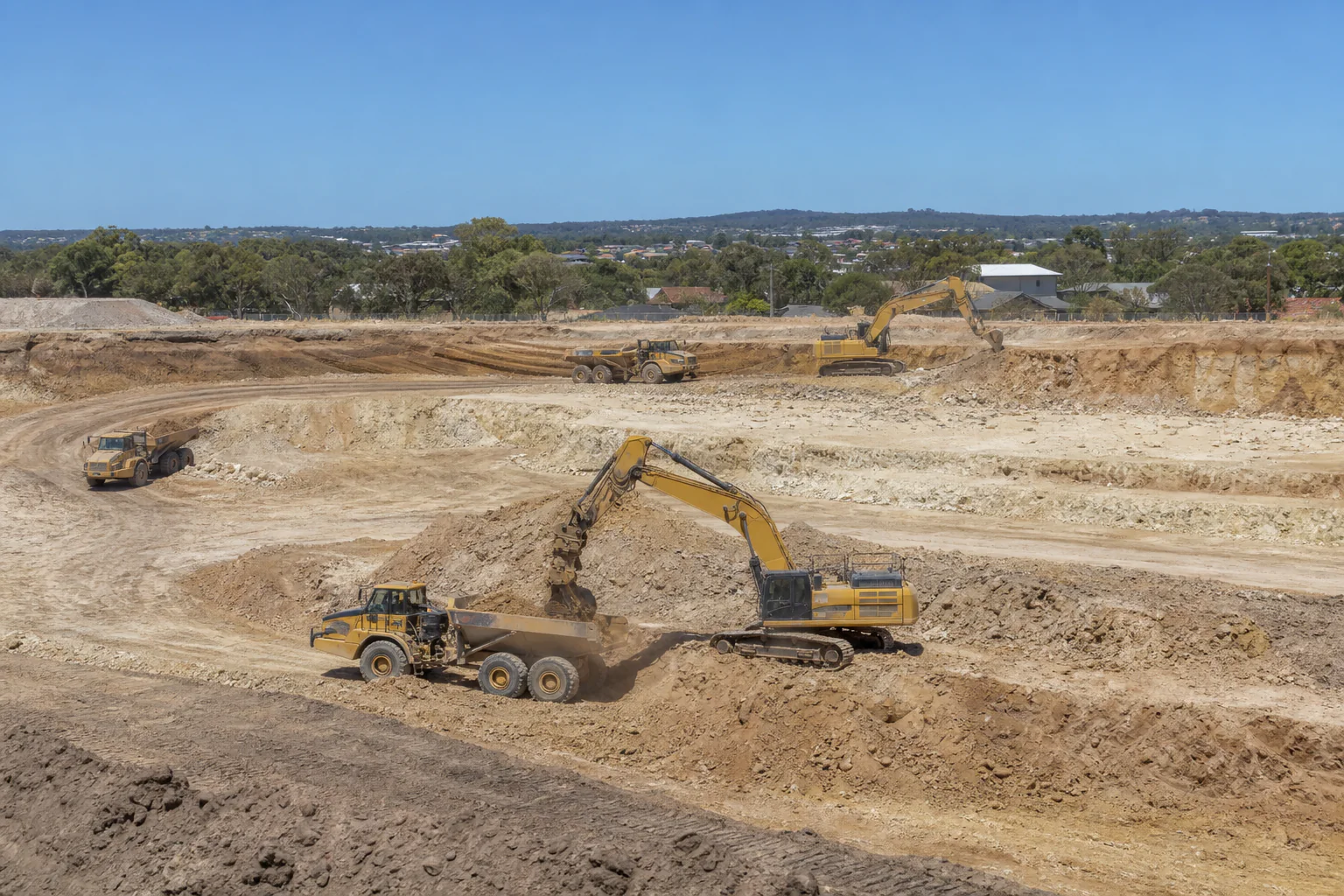
Cutting footings, pools, basements and bulk volumes to the design levels.
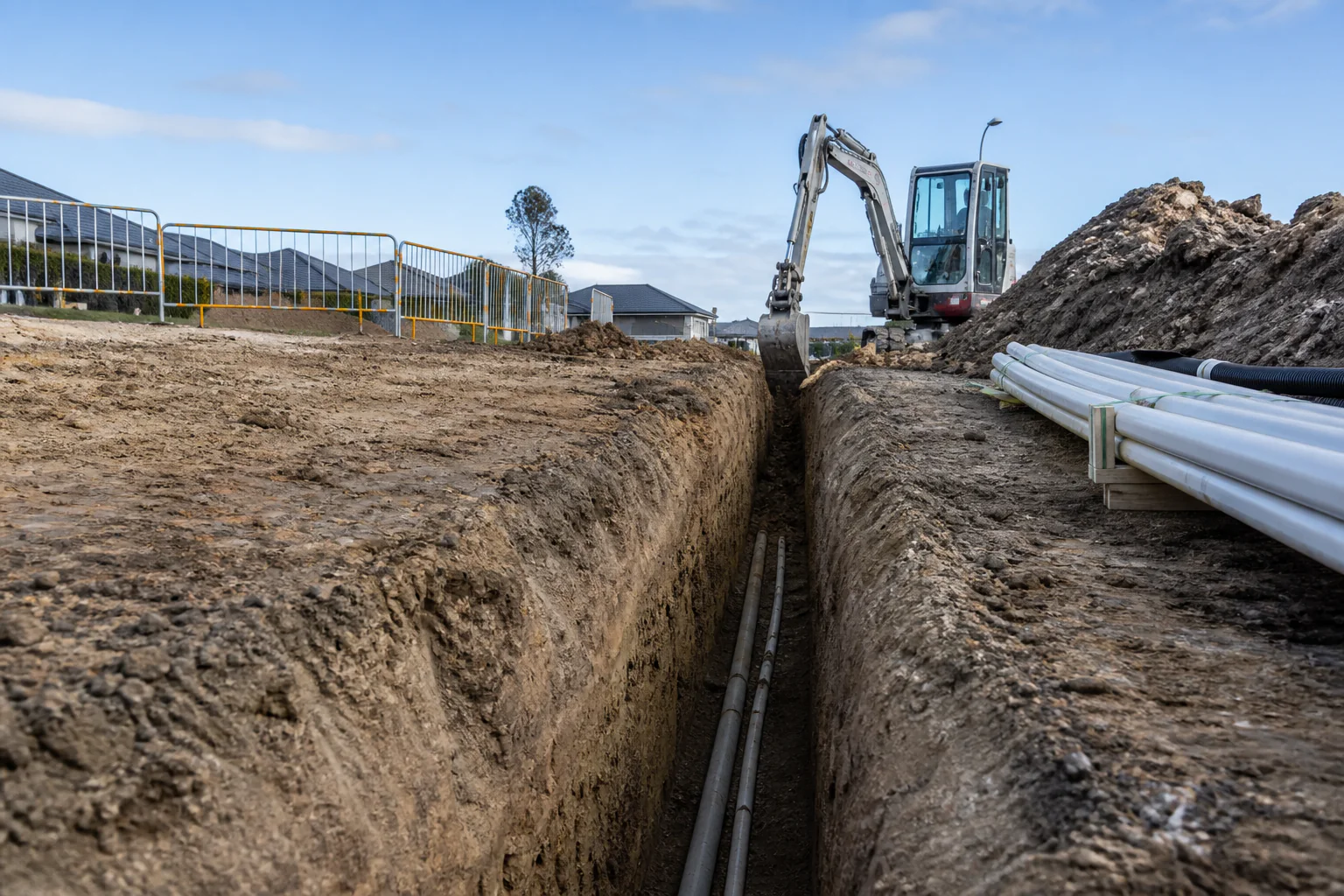
Trenches, slabs, base courses, grading and verge works that link a site to services.
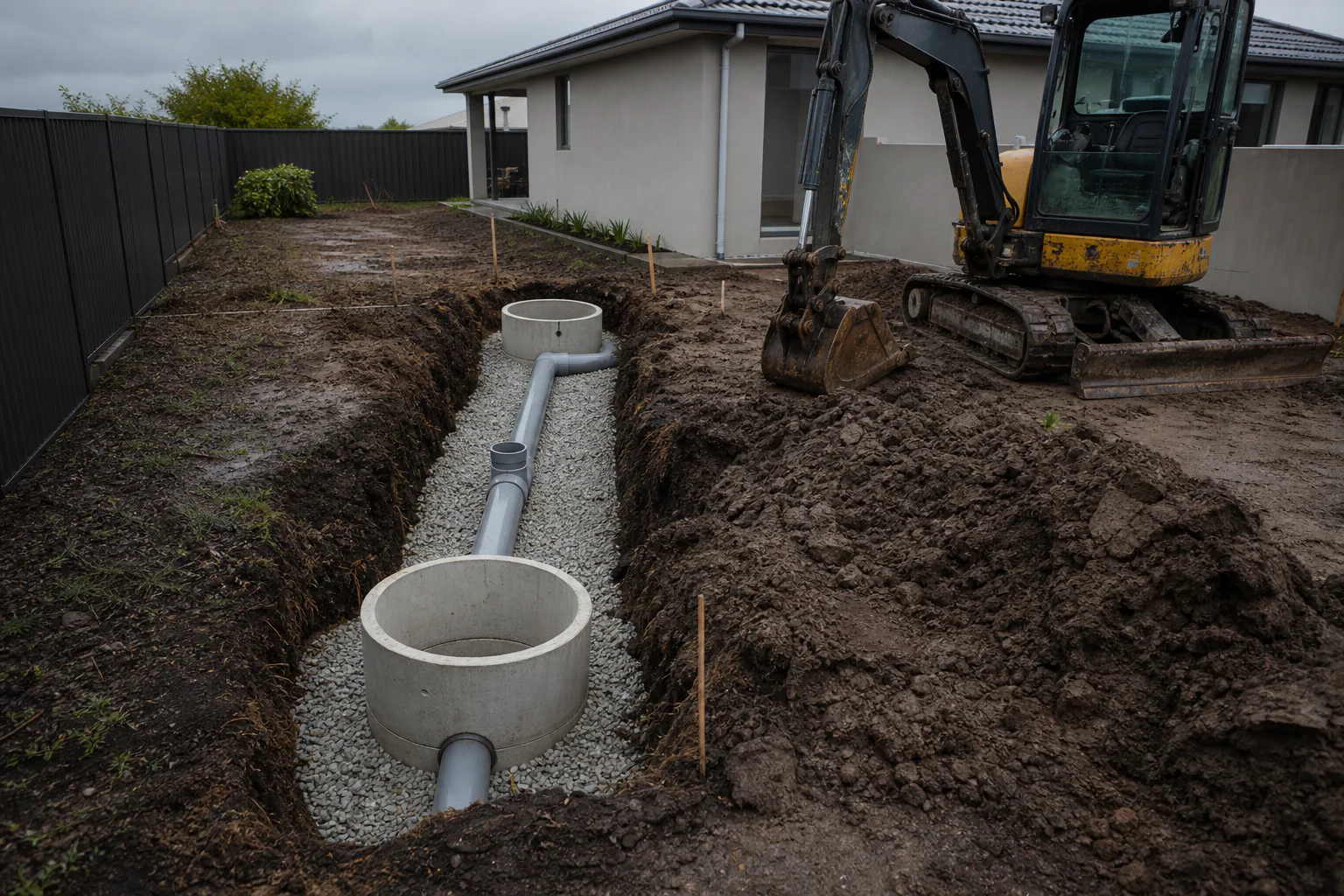
Moving rain and groundwater away from buildings and boundaries.
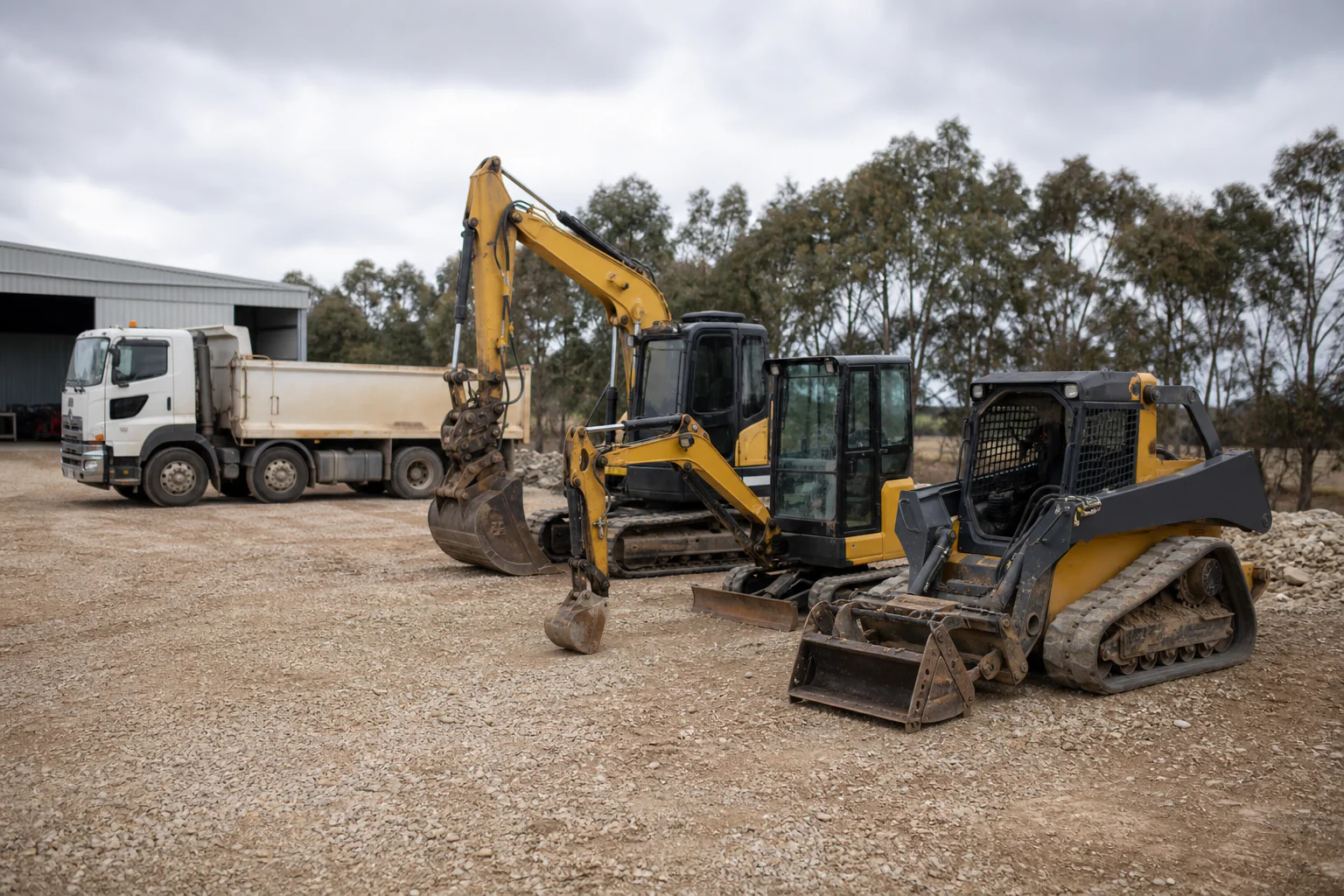
Operator-led machines, lifting and guidance for work that is already scoped.
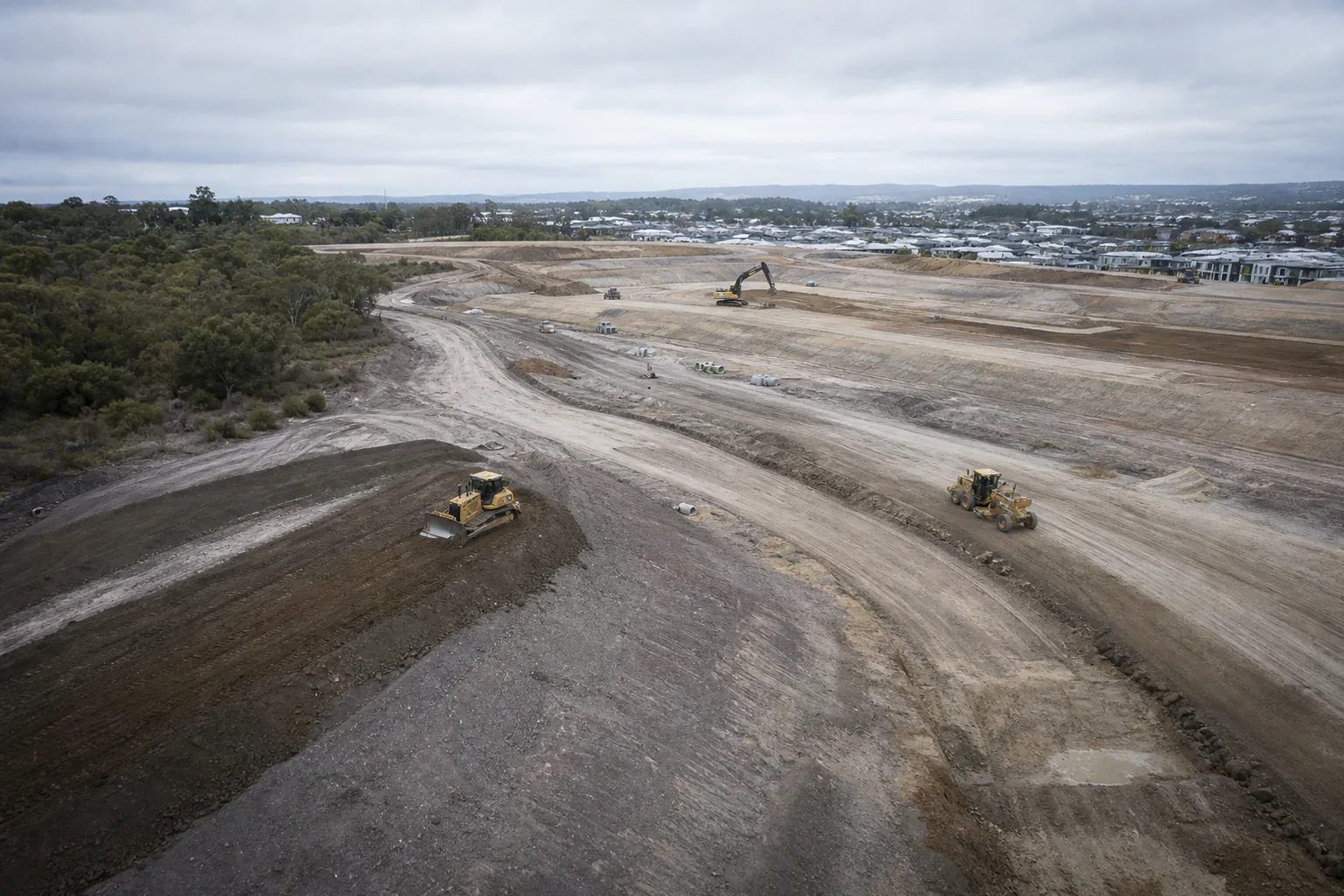
Whole-site earthmoving, erosion control and remediation planning.
The best choice depends on the lot. Ask the contractor to walk the site and explain how each load will leave.
Some established Como streets have heritage-sensitive properties. Heritage items and conservation areas in the Sutherland Shire LEP 2015 add requirements that can affect whether, and how, a building can come down.
Rock, fill or softer foreshore soils drive the footing design and site class (AS 2870).
The builder or surveyor marks the footing positions.
Sides can collapse in wet or sandy ground. Over 1.5 m, specific WHS controls apply.
Footings are inspected by the engineer or certifier before concrete goes in.
Do not leave excavations unprotected overnight if weather turns. Collapse and flooding are the main risks.
Pumped water carrying sediment can breach environmental rules. Ask where discharge will go and how it is filtered.
Groundwater can sit high near the foreshore. A geotech can tell you before you commit to deeper work.
Spoil heaped downhill toward the water can slump or wash away in rain. Keep it upslope and covered.
Zoom and pan the street map to explore Como. Browse local services or choose a nearby suburb below.
For sloping or restricted sites, share survey levels, driveway gradients and the narrowest access point. Discuss drainage and neighbouring structures when setting the removal boundaries.
Ask us about your project ↗They can on low foreshore lots. Check Council flood information, watch the forecast, and ask the contractor how open trenches will be protected.
Do not assume so. Waterfront structures can need Council or other agency consent. Ask before work starts.
Hawkesbury Sandstone is common and can be shallow, but depth varies block to block. A geotechnical report or test pit gives a real answer.
Not always, but it adds requirements and may need Council assessment. Check the LEP listing before booking anything.
Send the address and what you want removed or built.
We’ll talk through access, approvals and timing.