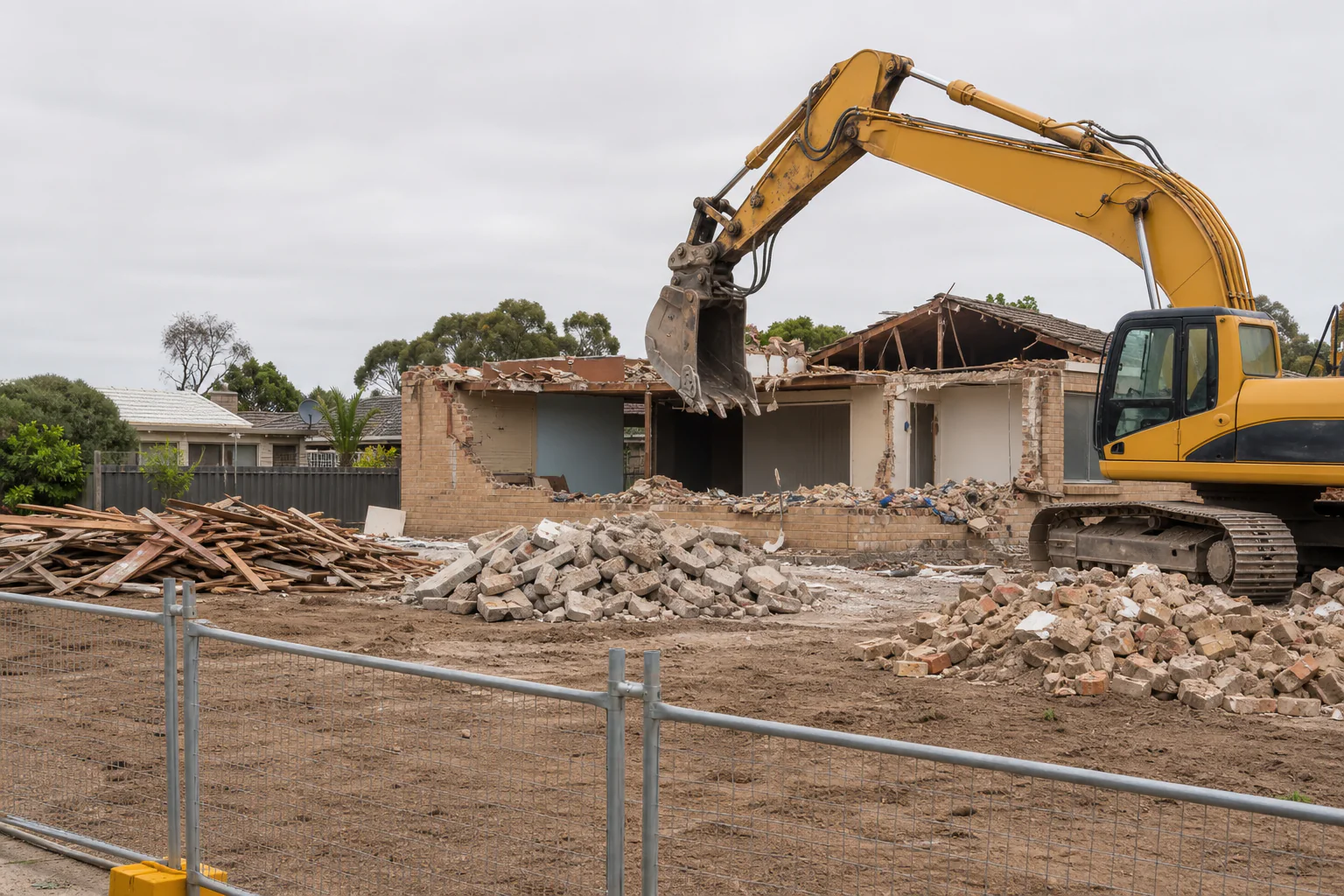
Demolition and Removal
Taking down houses, outbuildings, pools and interiors, with asbestos and waste handled first.
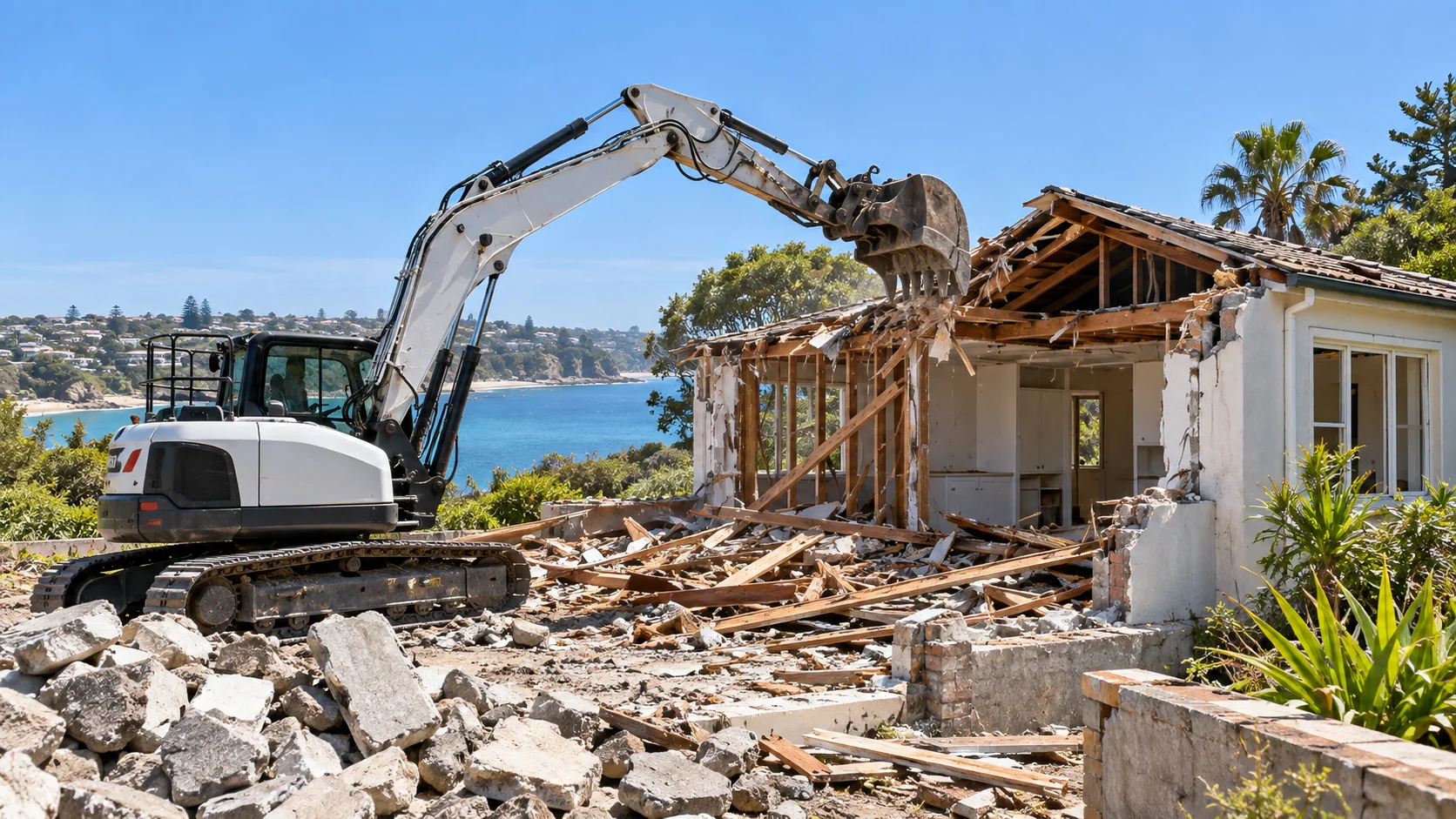
Thoughtful preparation for your coastal property.
Demolition in Cronulla demands careful planning, because tight streets, sloping blocks and closely built neighbours leave little room for error. We inspect for asbestos, services and access first, then schedule the work so your site is cleared safely, with minimal disruption to neighbours and traffic, and ready for your rebuild.
Send us the property address, the structure involved and your plans for the next stage. Whether you need a full knockdown, partial demolition, strip out, garage removal or pool removal, a clear scope keeps timing, approvals and costs under control right from the first visit.
Cronulla's parking limits, narrow access and busy beachside streets shape how machinery and trucks arrive and leave. We manage traffic, dust and noise around your neighbours, sort materials responsibly and leave a clean, level site that is ready for your builder to start work immediately.
Explore services in Cronulla ↓ Taking down houses, outbuildings, pools and interiors, with asbestos and waste handled first.
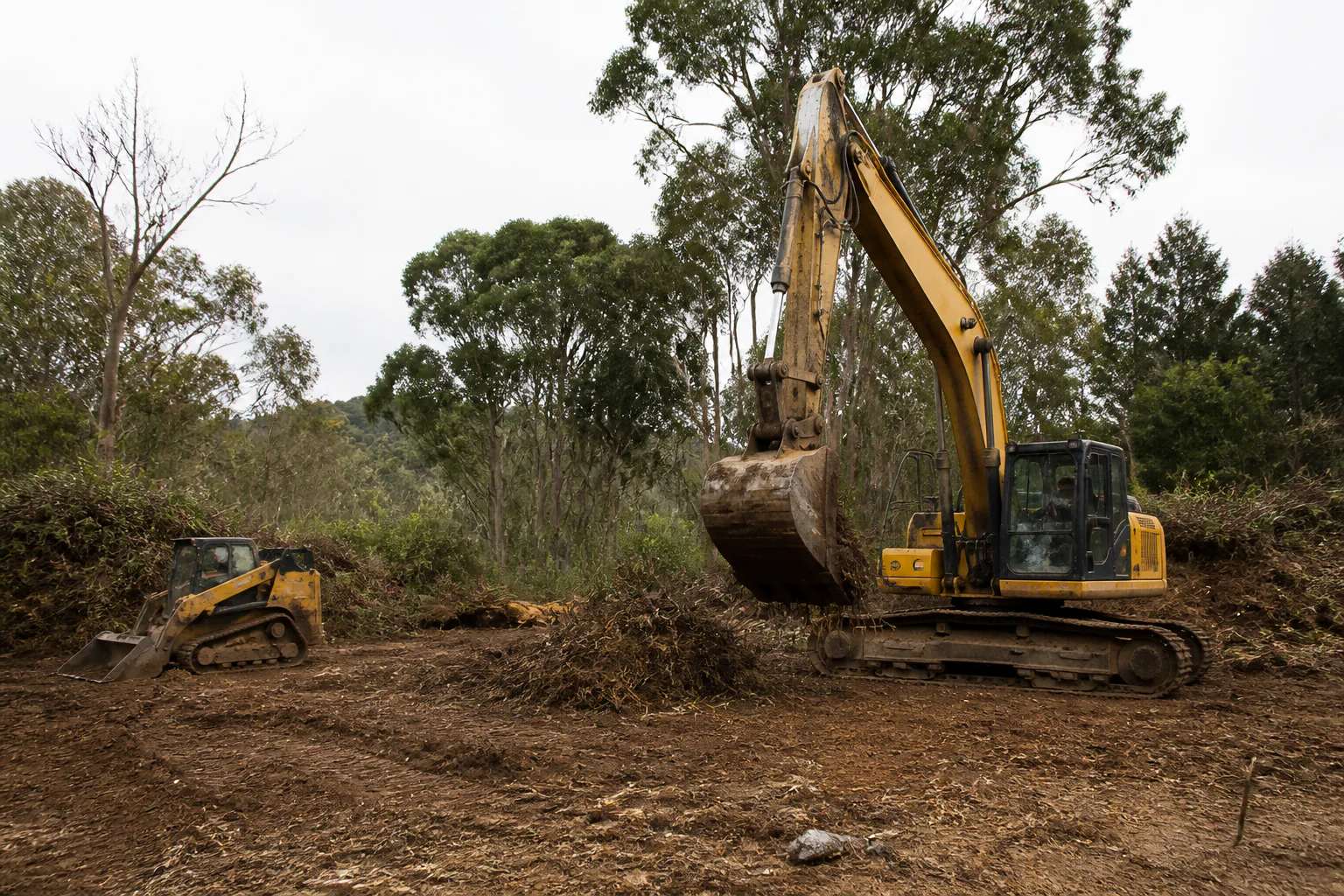
Clearing vegetation, debris and surface growth so a block is ready for set-out.
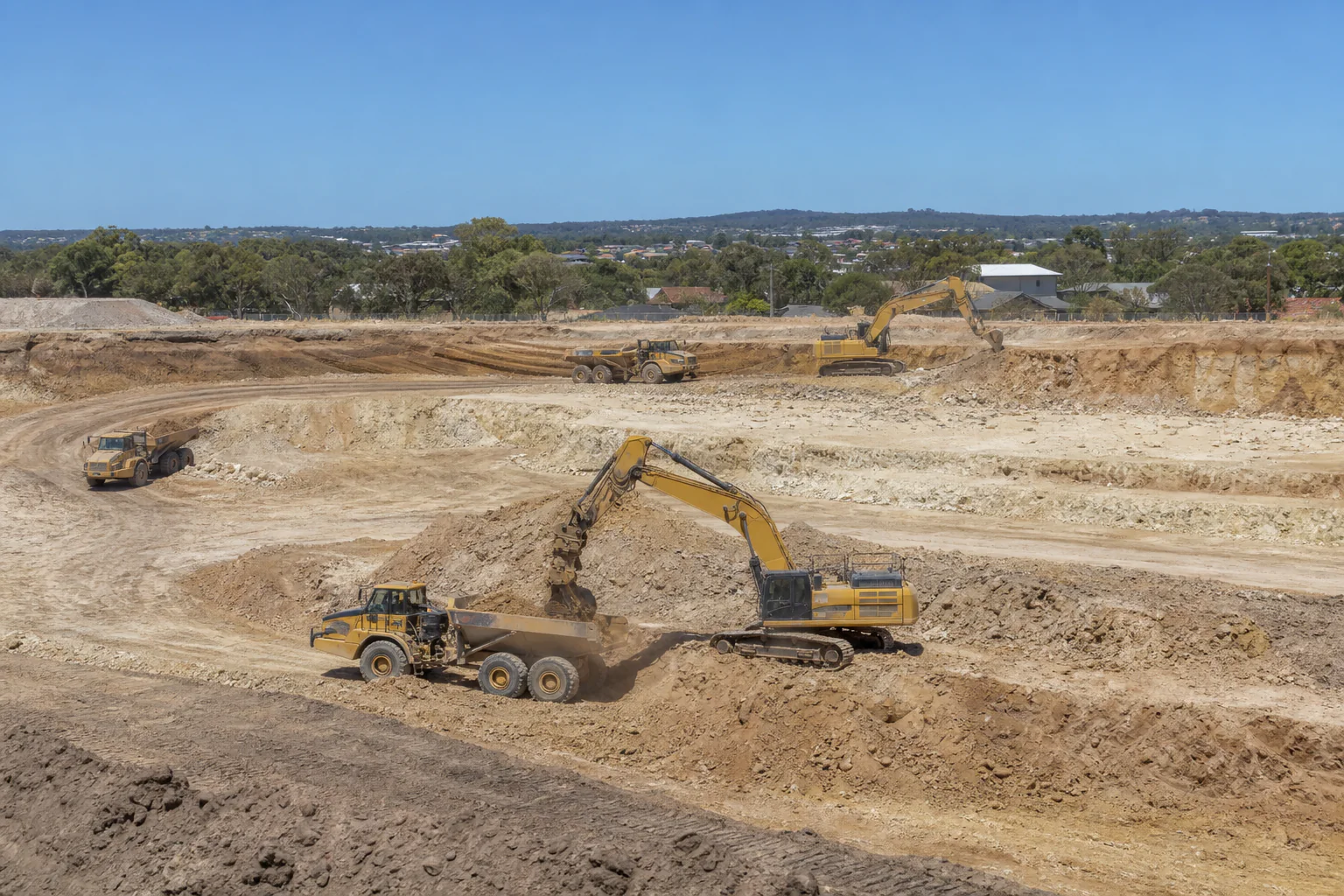
Cutting footings, pools, basements and bulk volumes to the design levels.
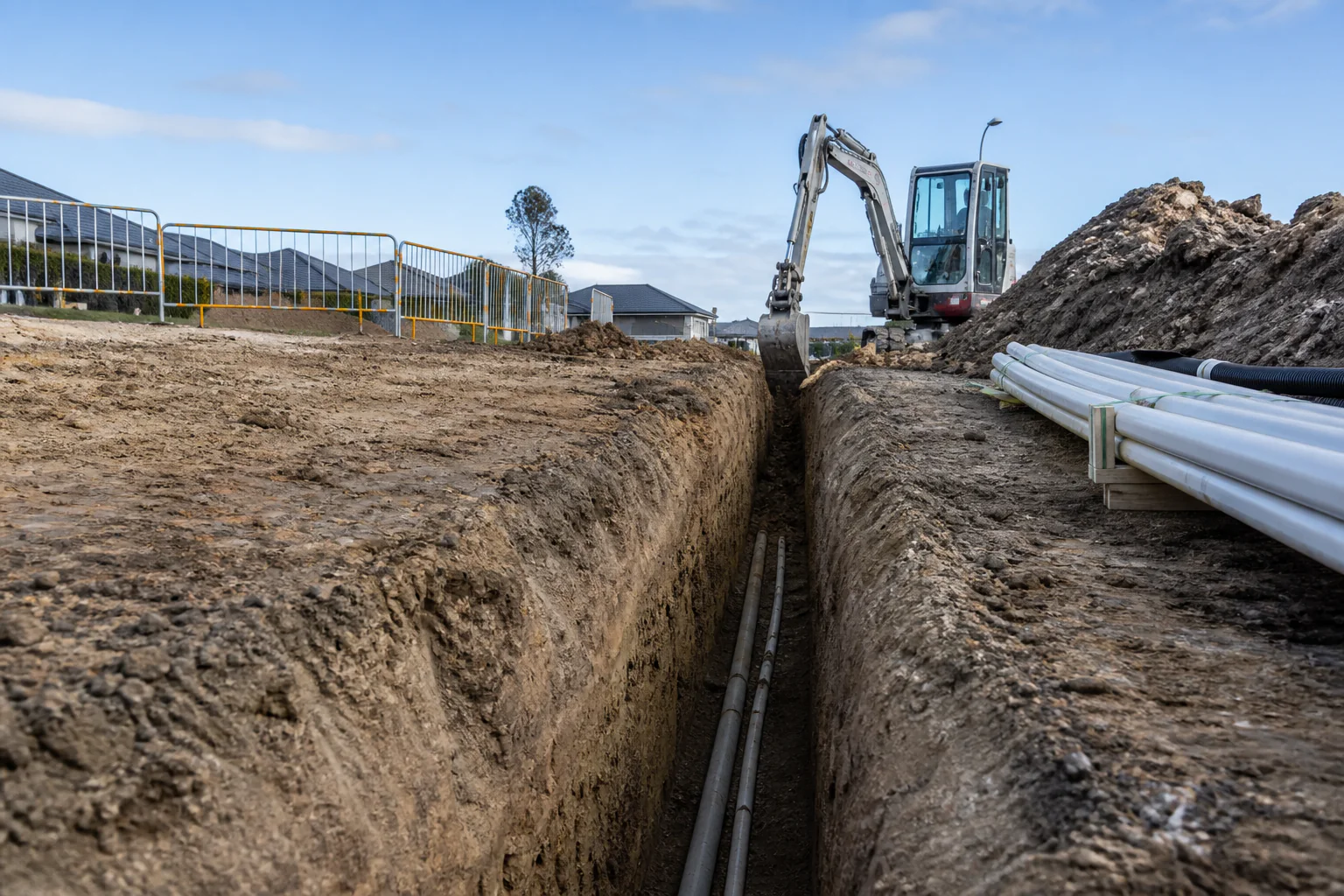
Trenches, slabs, base courses, grading and verge works that link a site to services.
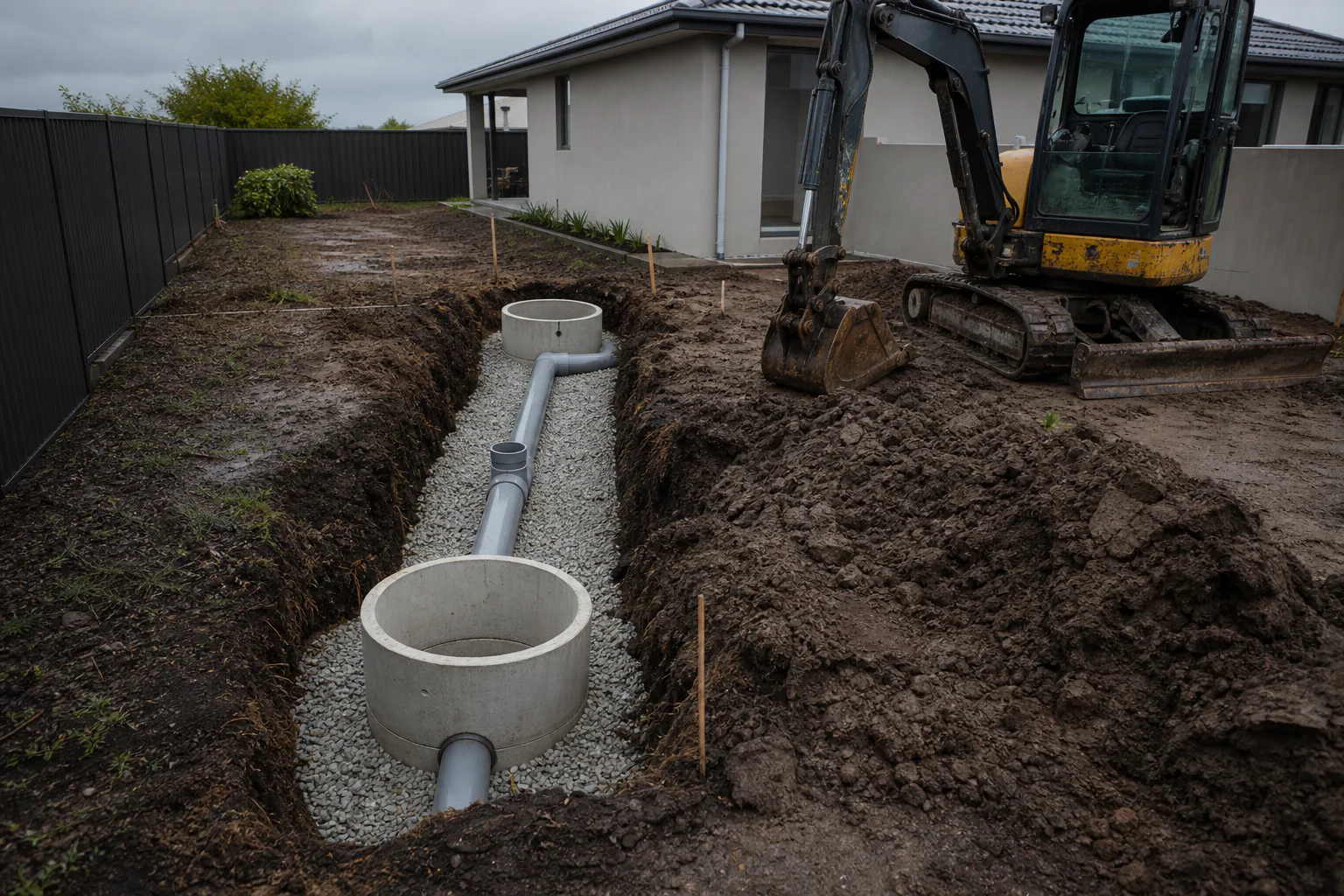
Moving rain and groundwater away from buildings and boundaries.
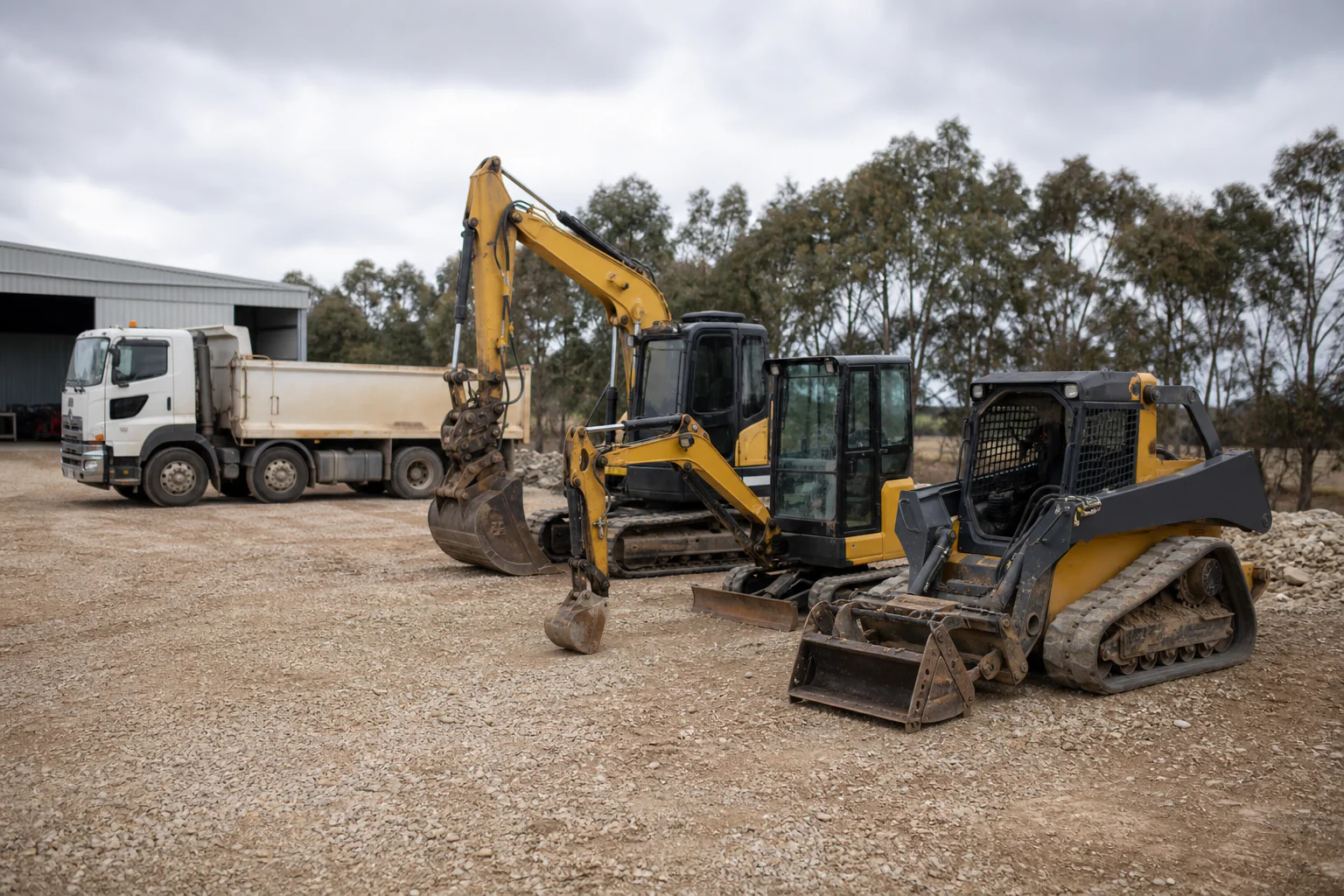
Operator-led machines, lifting and guidance for work that is already scoped.
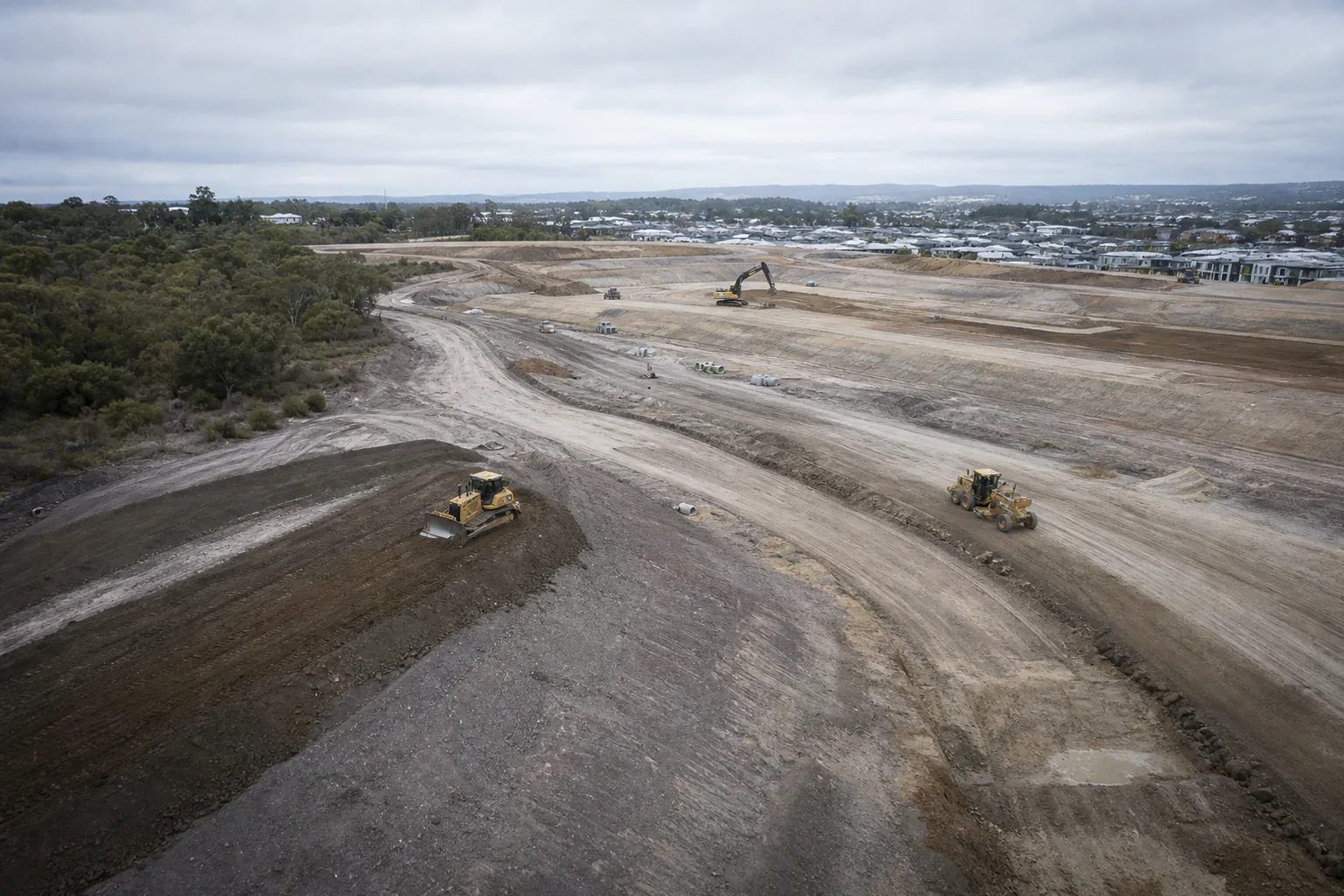
Whole-site earthmoving, erosion control and remediation planning.
Narrow streets near the beach leave little space for machines, bins and tradies.
Check width, parked cars, driveways and overhead wires before choosing the machine and truck size.
Heavy vehicles may need parking removed or Council permits. Ask who applies and how much notice is needed.
Short, staggered loading windows avoid blocking neighbours and keep tippers from queuing on beach traffic days.
Photograph kerbs, fences and driveways beforehand so any damage claim has a baseline.
Salt-laden coastal air speeds up corrosion of steel, fixings and some finishes. This affects what is salvageable on an old cottage and what the new build should specify.
High-value redevelopment near the beach tends toward multi-dwelling projects.
Either way, agree the truck and machine program with neighbours in mind before work starts.
Excavated sand bulks up once loosened. Ask for a truck count, not just a volume.
Sandy trench walls fail fast when saturated. Cover or backfill before rain, never leave them open overnight unprotected.
Sediment reaching the street or drain is an offence in NSW. Use sediment fences and stabilised entry, especially close to the beach and bay.
Soil leaving a site may need classification before a receiving site accepts it. Raise this before excavation starts.
Zoom and pan the street map to explore Cronulla. Browse local services or choose a nearby suburb below.
Share access dimensions, shared-driveway arrangements and any restrictions around adjoining homes or occupied units. Coastal exposure and material storage should be considered for the actual site.
Ask us about your project ↗Often a compact machine can, but it depends on street width, parked cars and access. A site visit or photos with measurements give a clear answer.
Sandy soils and shallow groundwater are common near the coast. Ask your contractor how they will shore trenches and manage water.
This is arranged per job. Ask the contractor to confirm who applies for any Council permits and how much lead time is needed.
It mainly affects materials rather than the demolition itself. Check retained steel and fixings for corrosion and ask your builder about coastal specifications.
Send the address and what you want removed or built.
We’ll talk through access, approvals and timing.