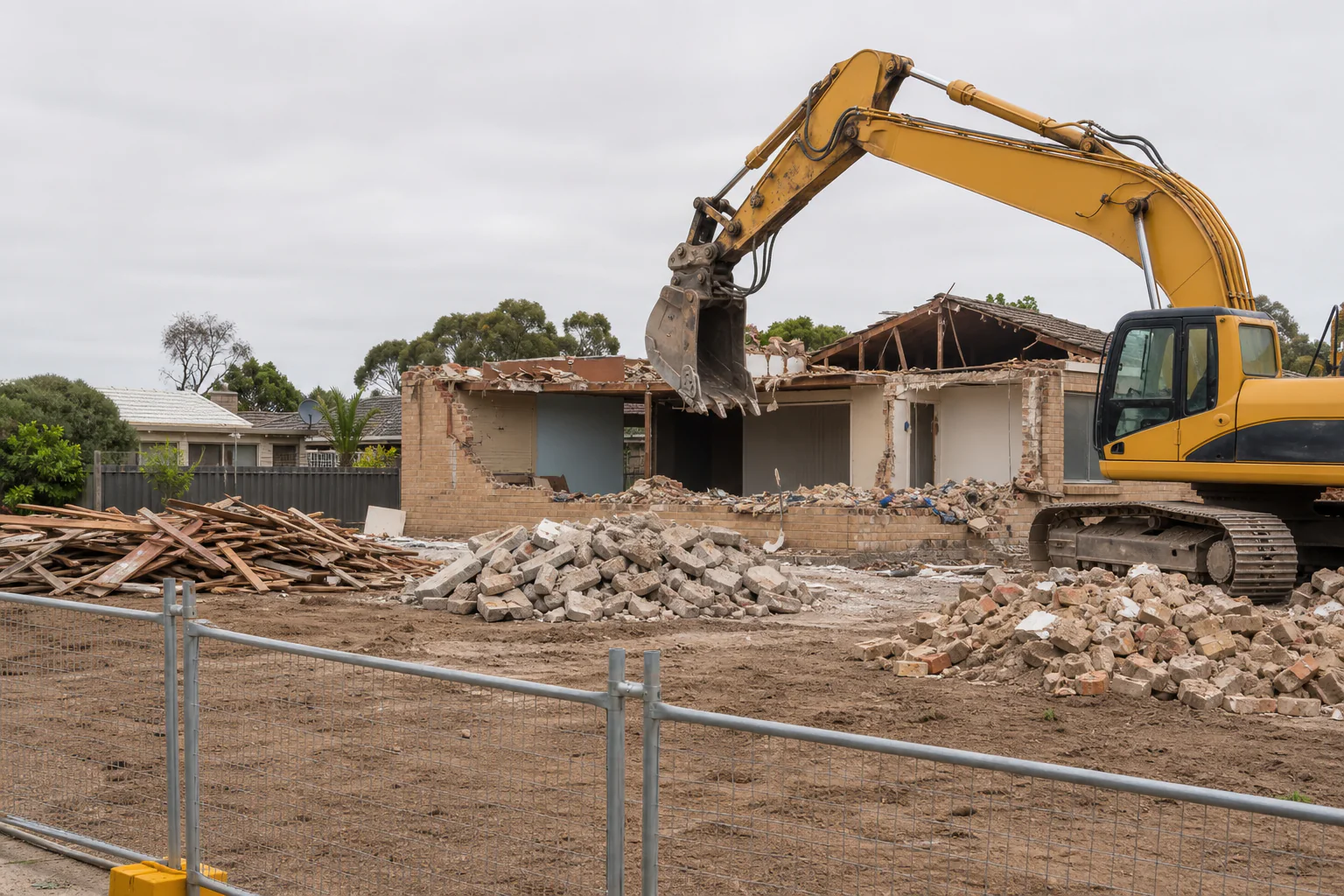
Demolition and Removal
Taking down houses, outbuildings, pools and interiors, with asbestos and waste handled first.
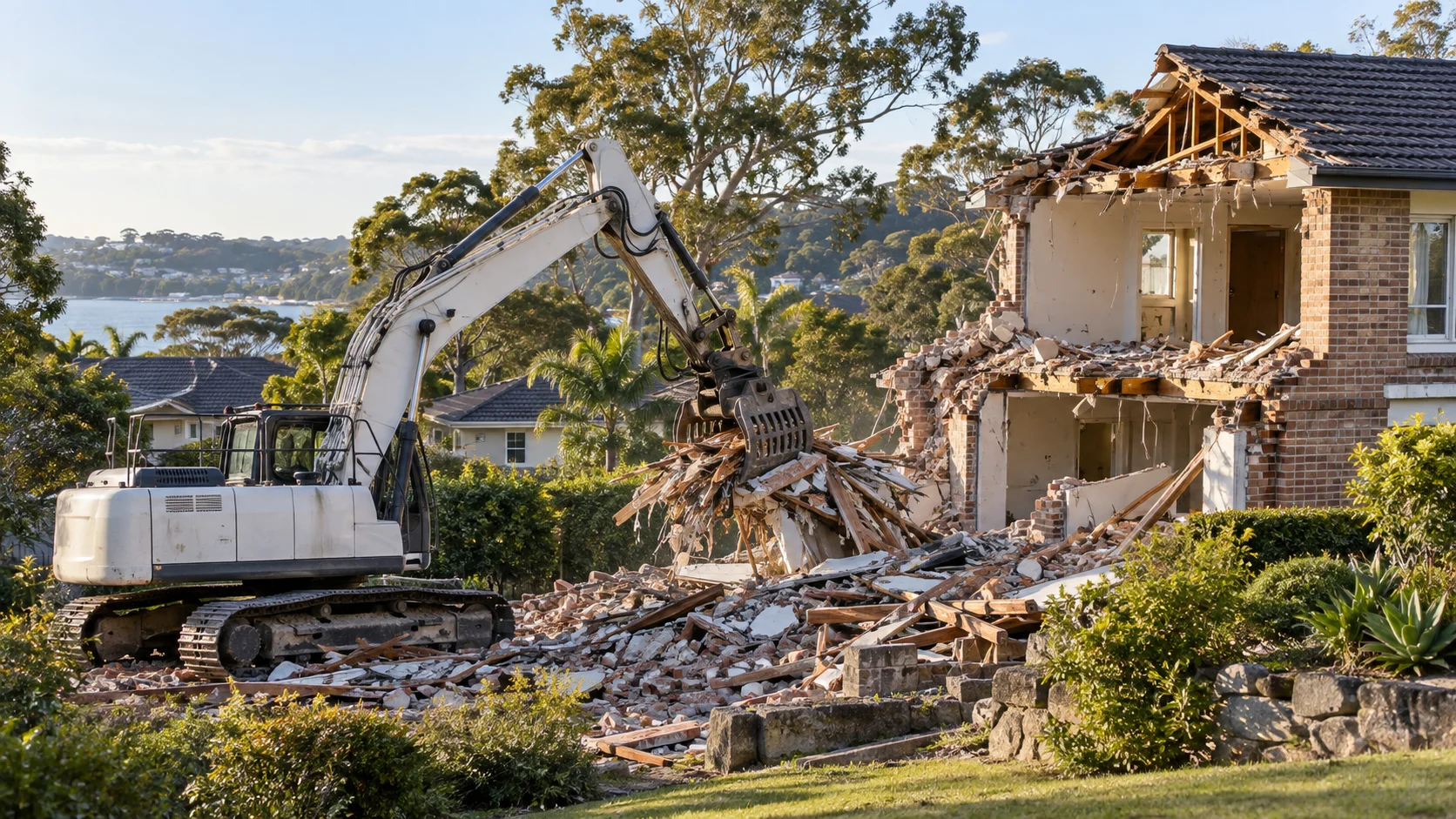
Thoughtful preparation for your next project.
Demolition in Sylvania should be planned around the property, the neighbours and what you intend to build. We inspect each individual site for asbestos, services and access before machinery arrives, then clear the structure safely and efficiently and leave your block ready for the next stage of your building project.
Send us your address, the type of building and your plans for the site. Whether you need a house knockdown, partial demolition, strip out, shed removal or pool removal, a clear scope keeps approvals, costs and timing connected from the very beginning of your project.
Sylvania's established streets, waterfront areas and compact lots often limit machinery access, so we plan equipment and truck movements carefully. We protect boundaries, control dust and noise, and separate materials as we work, leaving a clean, level site that is ready for construction to begin.
Explore services in Sylvania ↓ Taking down houses, outbuildings, pools and interiors, with asbestos and waste handled first.
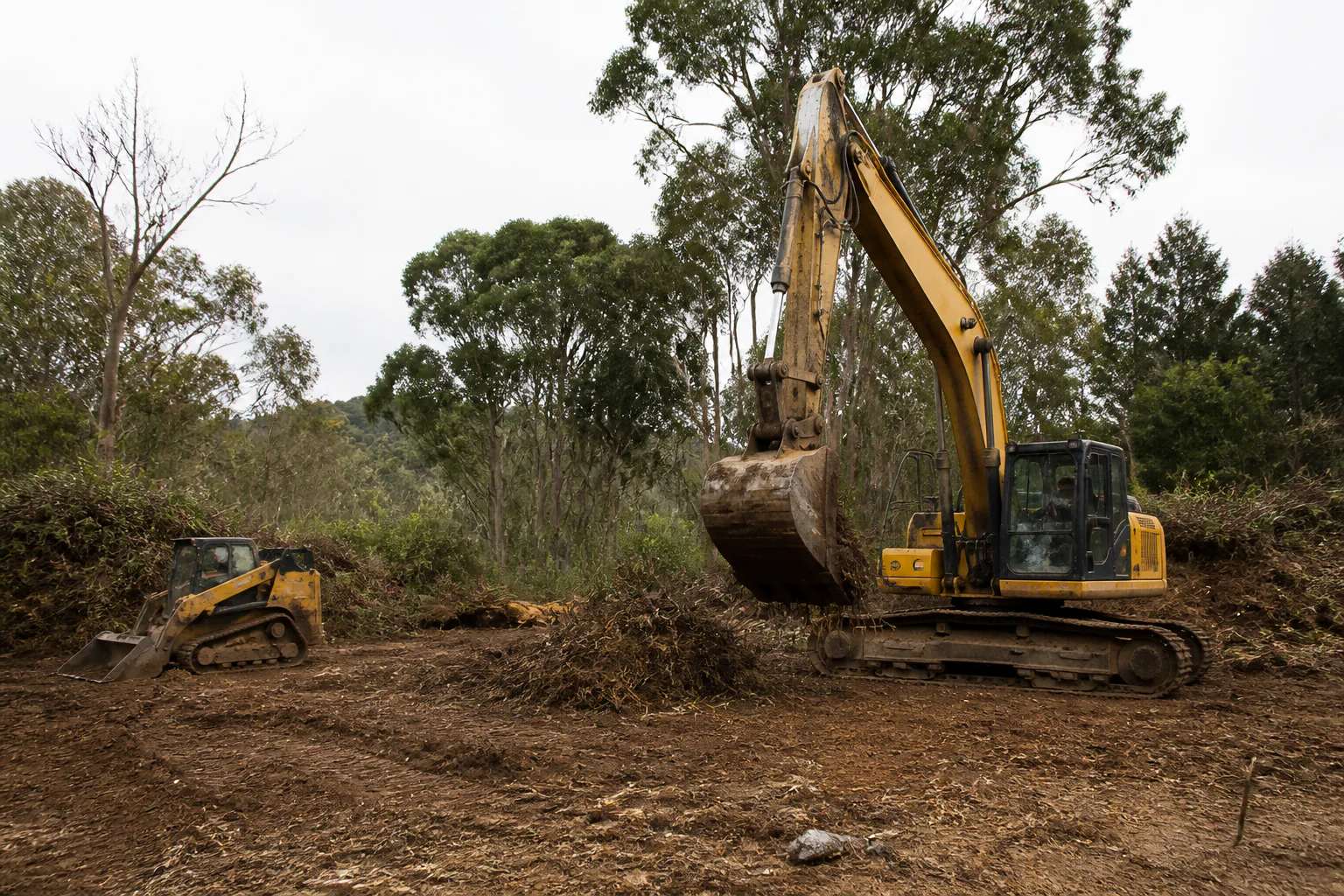
Clearing vegetation, debris and surface growth so a block is ready for set-out.
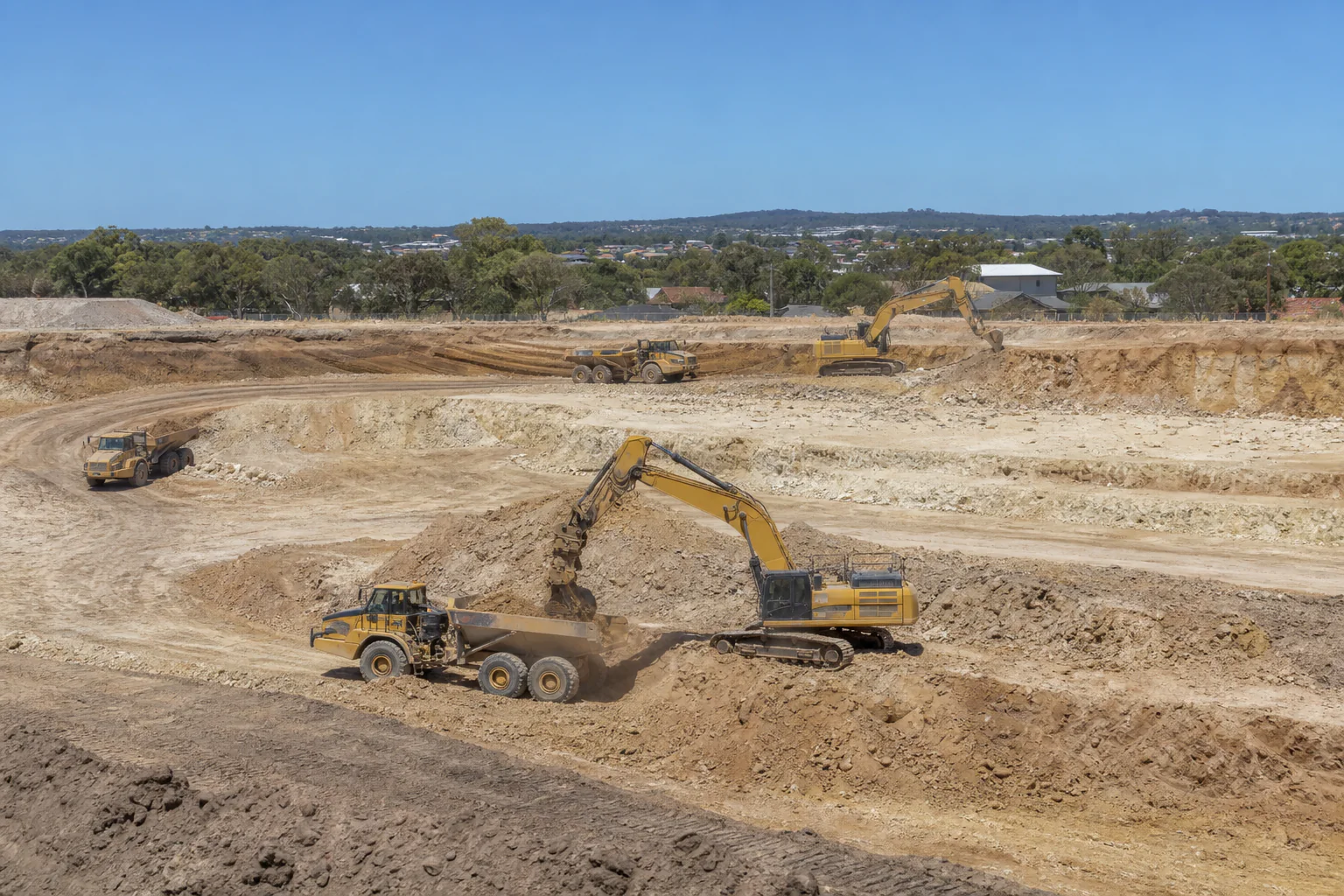
Cutting footings, pools, basements and bulk volumes to the design levels.
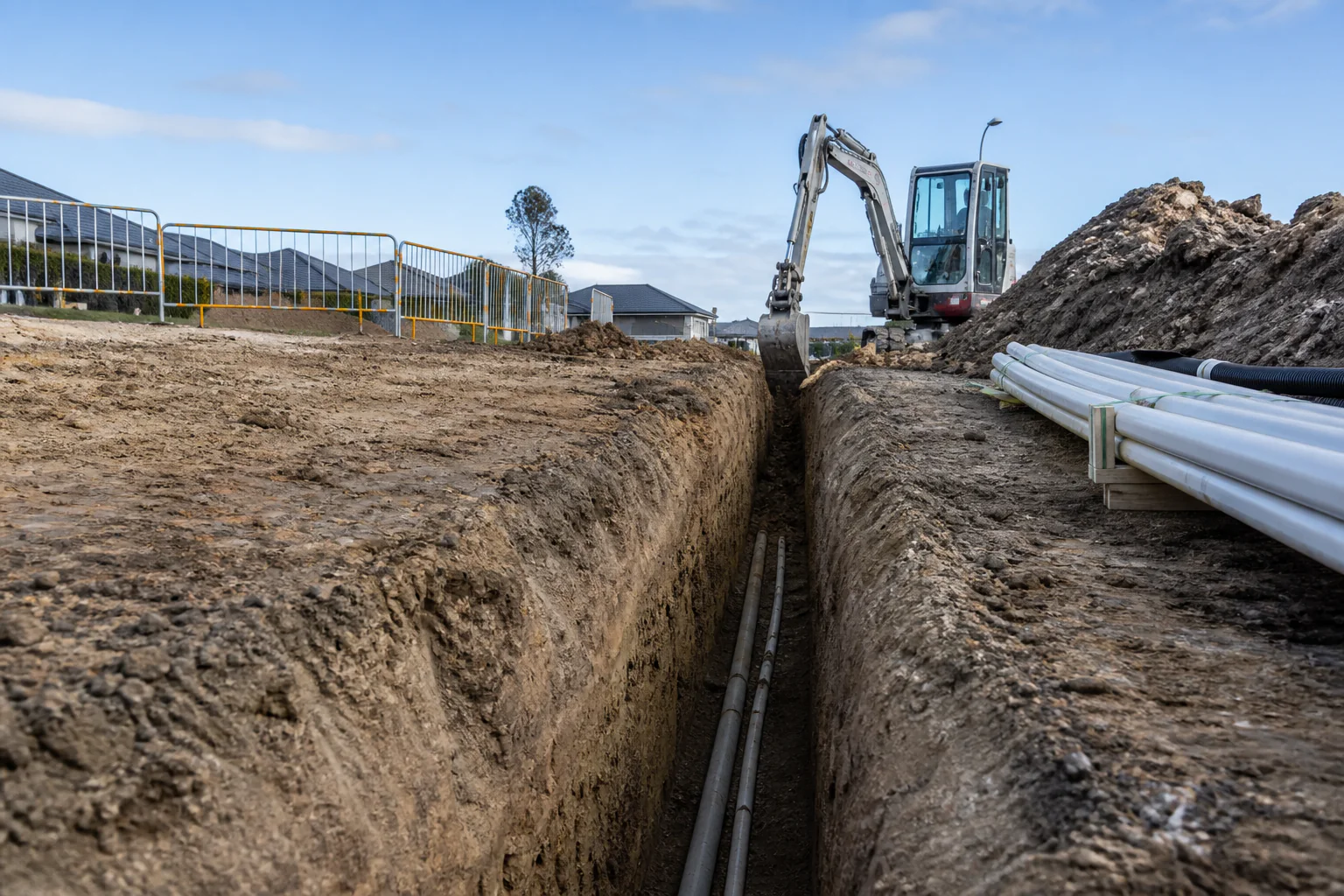
Trenches, slabs, base courses, grading and verge works that link a site to services.
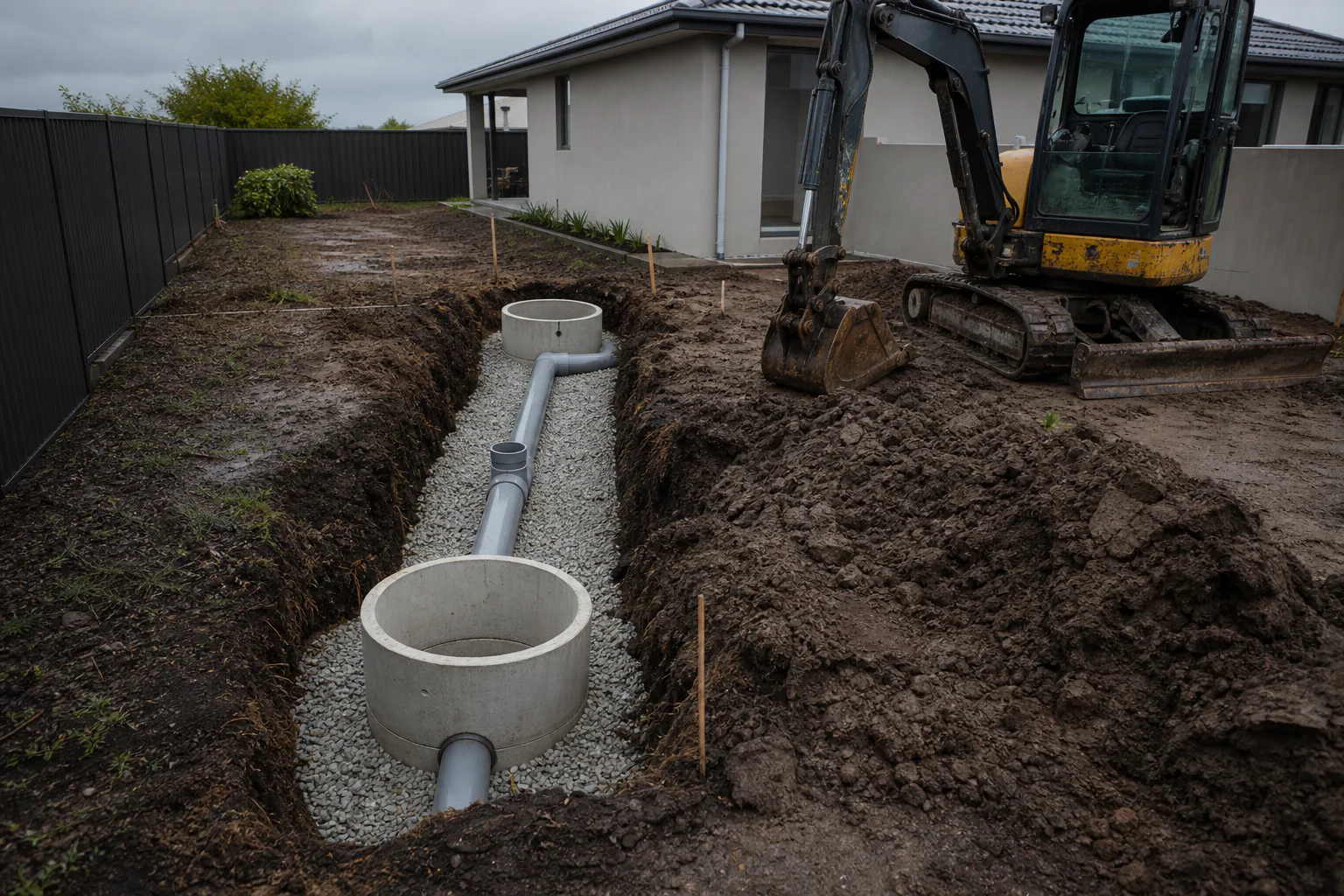
Moving rain and groundwater away from buildings and boundaries.
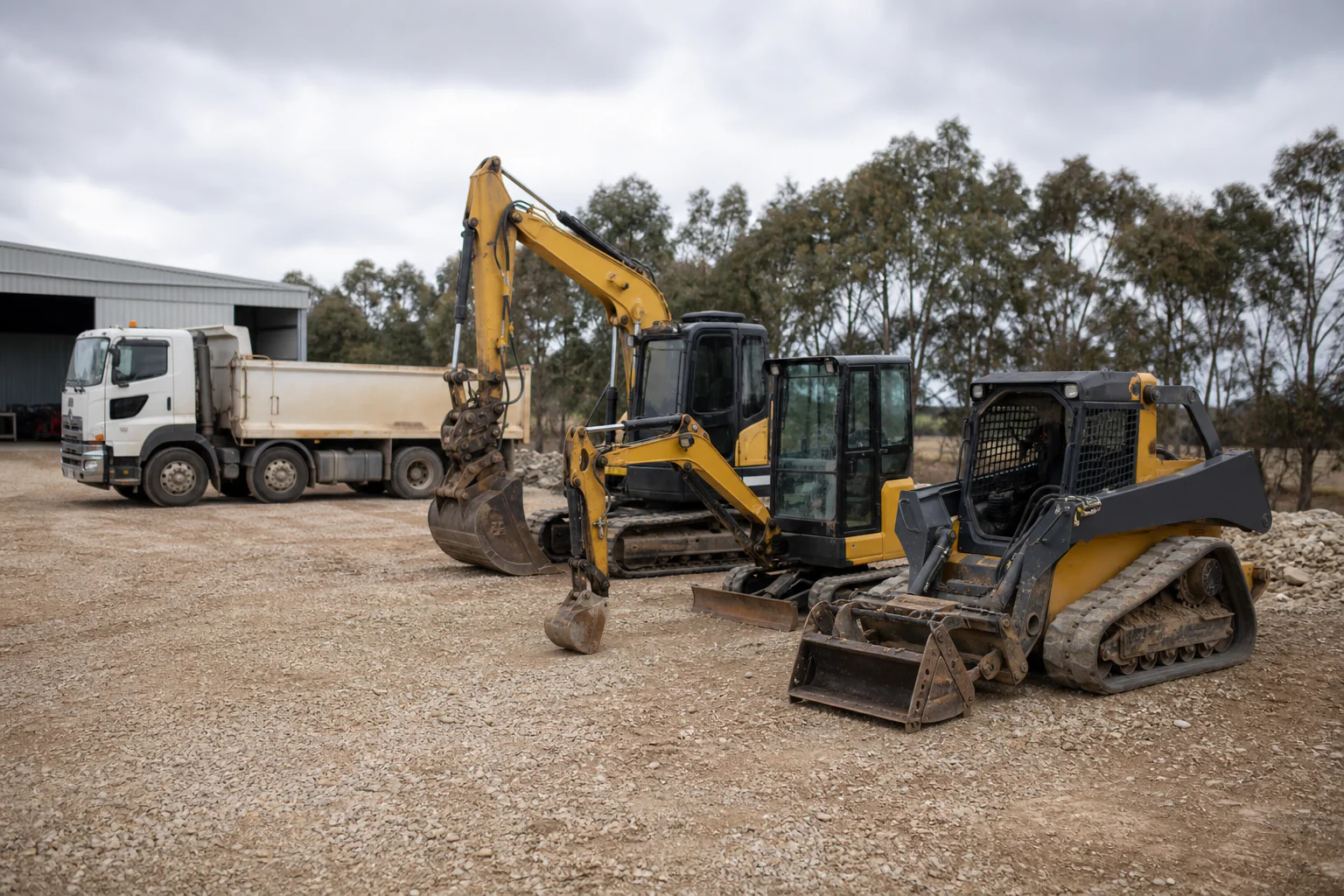
Operator-led machines, lifting and guidance for work that is already scoped.
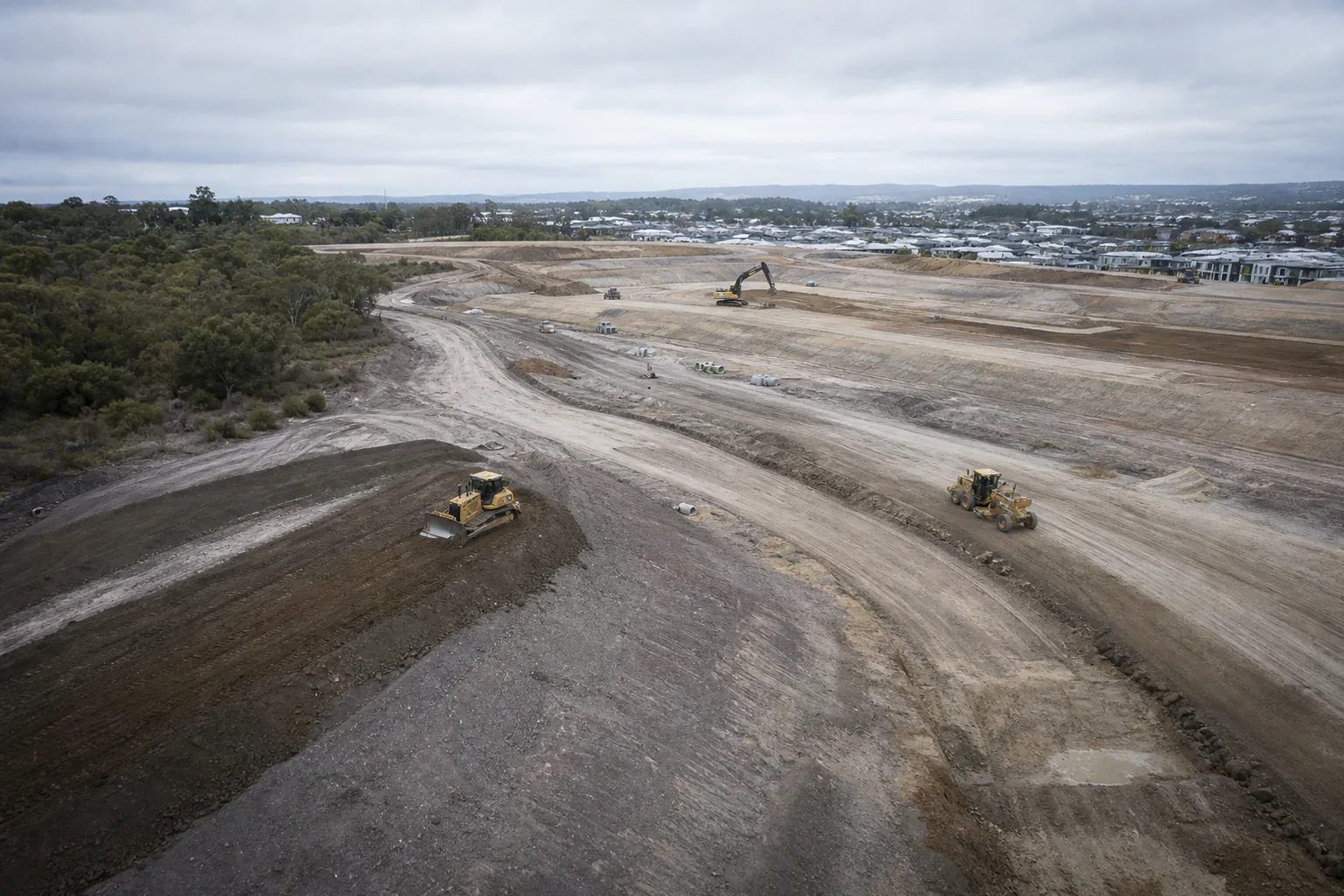
Whole-site earthmoving, erosion control and remediation planning.
Waterfront lots in Sylvania Waters back onto seawalls on reclaimed ground. Machine weight, stockpiles and vibration near a wall can matter, so get advice before parking heavy plant close to the edge.
Canal lots often have limited street access with the water out the back.
Road access is simpler for most jobs. Ask the contractor whether a barge is genuinely worthwhile for yours.
Dial Before You Dig plus private lines in and under the slab.
Licensed trades cap water, sewer and power lines.
Cuts protect retained paving and walls.
Wet-cut slurry is collected, not washed to drains.
Hydraulic breaker, then sort concrete and reinforcement.
Crushed concrete can become aggregate or fill.
Loads go to licensed facilities, with dockets kept.
Level and drain the site so water does not pond near the canal.
Flat lots pond easily. Set levels with falls toward approved drainage per the builder or engineer.
Sediment reaching stormwater or the waterway is an offence. Fencing and inlet protection are essential.
Soakwells need free-draining soil and clearance. Get a hydraulic engineer to confirm.
Fill brought in to raise levels should be VENM or certified material, with paperwork kept.
Zoom and pan the street map to explore Sylvania. Browse local services or choose a nearby suburb below.
Identify changes in ground level and the relationship to neighbouring properties. Where access is restricted, provide photographs of the driveway and proposed loading area.
Ask us about your project ↗It is a canal estate on reclaimed foreshore, so ground can be softer and seawalls are close. That affects machine weight, excavation and footing design.
Maybe not. Check slab thickness and what is underneath, and ask the contractor about ground protection and limits.
Not always. Fill of unknown origin may need classification before a receiving site accepts it, which affects cost and time.
Often yes. Check with Council or your certifier and an engineer before excavating or placing loads near the wall.
Send the address and what you want removed or built.
We’ll talk through access, approvals and timing.